
What is Aluminum Ingot A7?
Aluminum Ingot A7 refers to a grade of primary aluminum with a minimum purity of 99.7%. This means the aluminum contains very few impurities, making it suitable for a variety of applications.
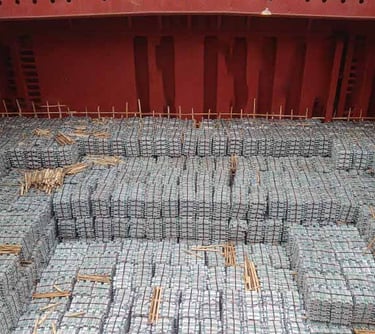
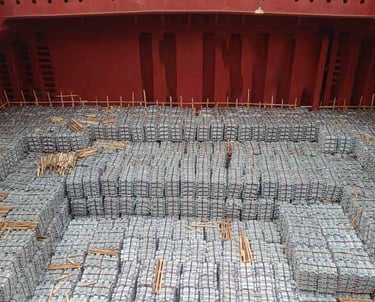
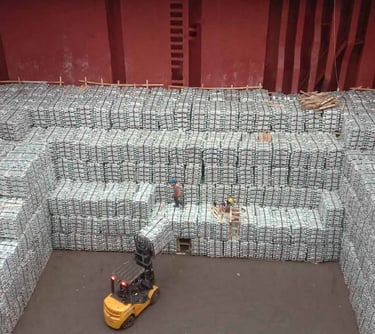
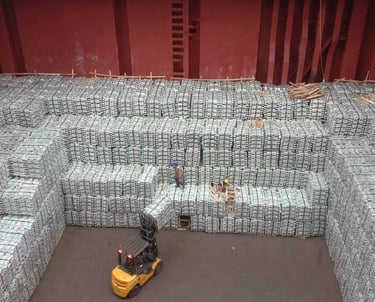
Appearance: Aluminum ingots are typically rectangular blocks of metal with a bright, silvery surface.
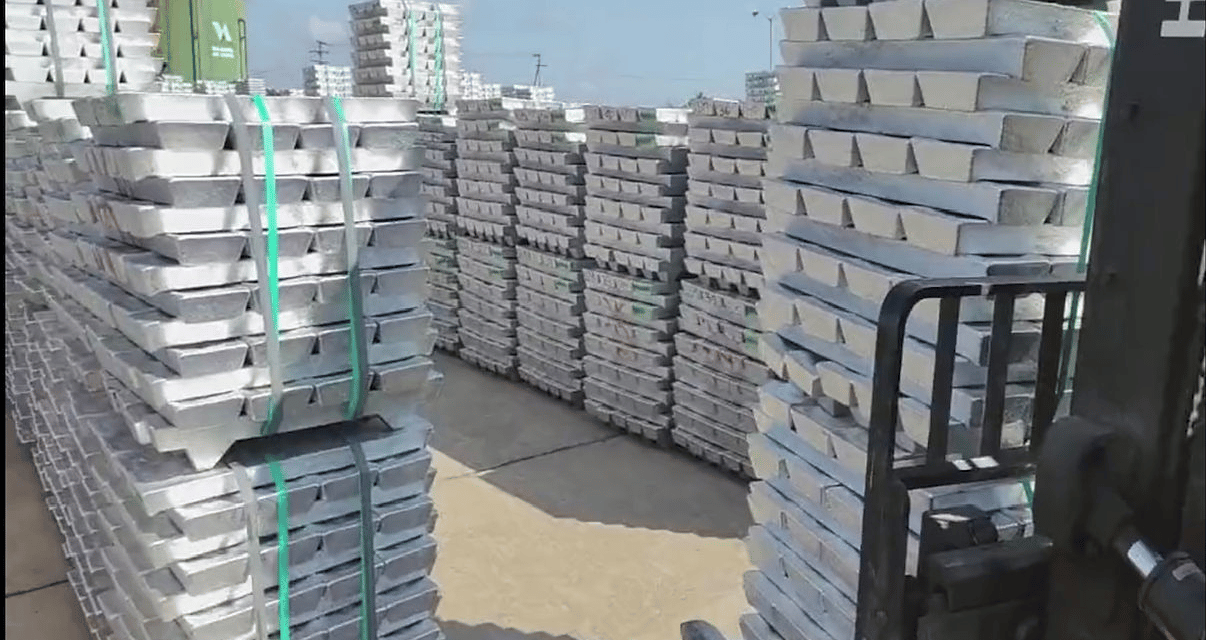
Aluminum Ingots – Cast alloys used to make shape castings and other uses. The popularity of this brand is due to the alloy’s low cost, multiple machining, relative malleability, and strength.
Aluminum ingots made of copper, aluminum and silicon.
Applications:sculpture, engineering, for creating cast aluminum cookware.
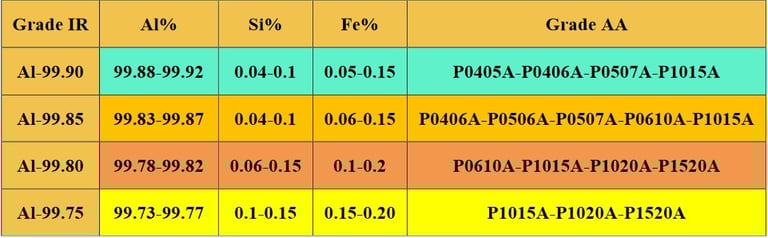
Specifications of production ingots (1000 and 50 pounds)
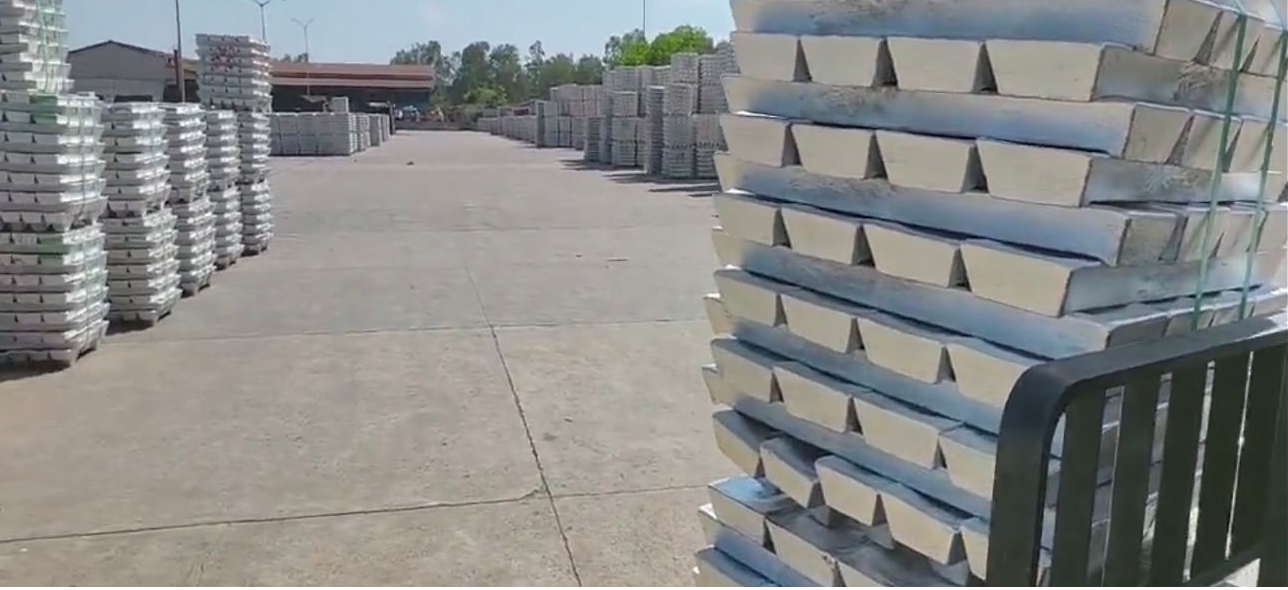
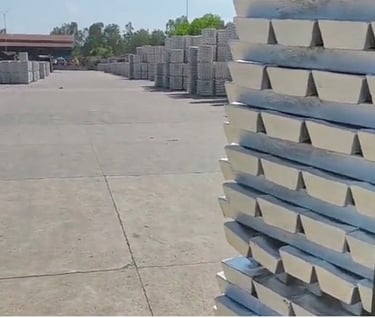
Applications of aluminum ingots:
Re-melting industries
Transportation industries (aircraft, automobile, truck, shipbuilding, railway, etc.)
Packaging Industry
Production of cans and foils
Manufacture of building doors and windows
Production of building wall coverings
home appliances
Electrical transmission lines
Glass industry
Manufacture of casting parts
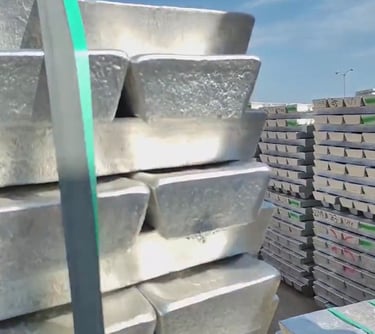
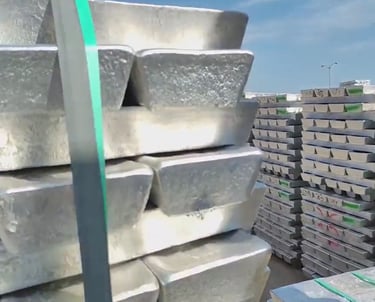
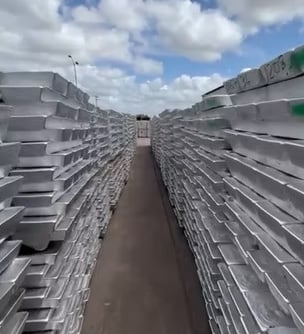
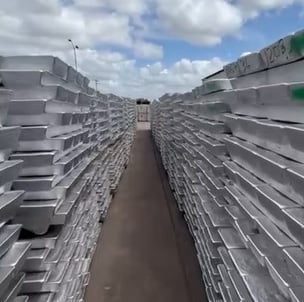
Chemical Composition
Aluminum (Al): Minimum of 99.7%
Silicon (Si): Maximum of 0.10%
Iron (Fe): Maximum of 0.20%
Copper (Cu): Maximum of 0.01%
Other Impurities: Each impurity is typically limited to 0.02% or less, with a total impurity content of no more than 0.30%.
Key Properties
Strength: While pure aluminum itself is not exceptionally strong, Aluminum A7 benefits when used in alloying. Various aluminum alloys can achieve substantial strength levels for demanding applications.
Corrosion Resistance: Due to a natural oxide layer, Aluminum A7 offers good resistance to atmospheric corrosion. In more extreme environments, additional surface treatments can enhance its resistance.
Conductivity: Possesses excellent thermal and electrical conductivity, making it vital in heat exchangers, electrical conductors, and related applications.
Formability: This grade is known for its malleability and ductility, allowing it to be shaped through processes like rolling, extruding, and forging.
Recyclability: One of the most significant advantages of aluminum is its recyclability, requiring only a fraction of the energy needed to produce primary aluminum.
Specific Applications
Alloying Base: Aluminum A7 often serves as the starting point for creating aluminum alloys. Some common alloys using A7 as a base include:
6061: General-purpose, strong, and readily weldable alloy for structural components.
7075: High-strength alloy, widely used in aerospace for its strength-to-weight ratio.
Deoxidizing Agent: In steelmaking, Aluminum A7 helps remove oxygen, increasing steel quality.
Conductor Material: Due to its conductivity, it is sometimes used for specialized electrical conductors where the lightweight is a priority.
Heat Exchangers: Excellent conductivity makes it a suitable material for heat exchanger components in systems like refrigerators.
Major Industries
Automotive: Lightweight body panels, engine components (blocks, pistons), transmission housings, suspension systems, wheels, and structural parts contribute to weight reduction and increased fuel efficiency.
Aerospace: Aircraft fuselage and wing components, structural parts, landing gear. The material’s lightweight characteristics and its use in strong alloys are critical in this sector.
Construction: Roofing, siding, window and door frames, gutters, structural elements (where increased strength from alloying is necessary). Corrosion resistance and durability are valuable here.
Electrical: Sometimes used in specific wiring, bus bars, and components where weight and conductivity are priorities. Not as common as copper due to cost differences.
Packaging: Aluminum cans, foil, and other packaging materials due to its lightweight, formability, and barrier properties.